

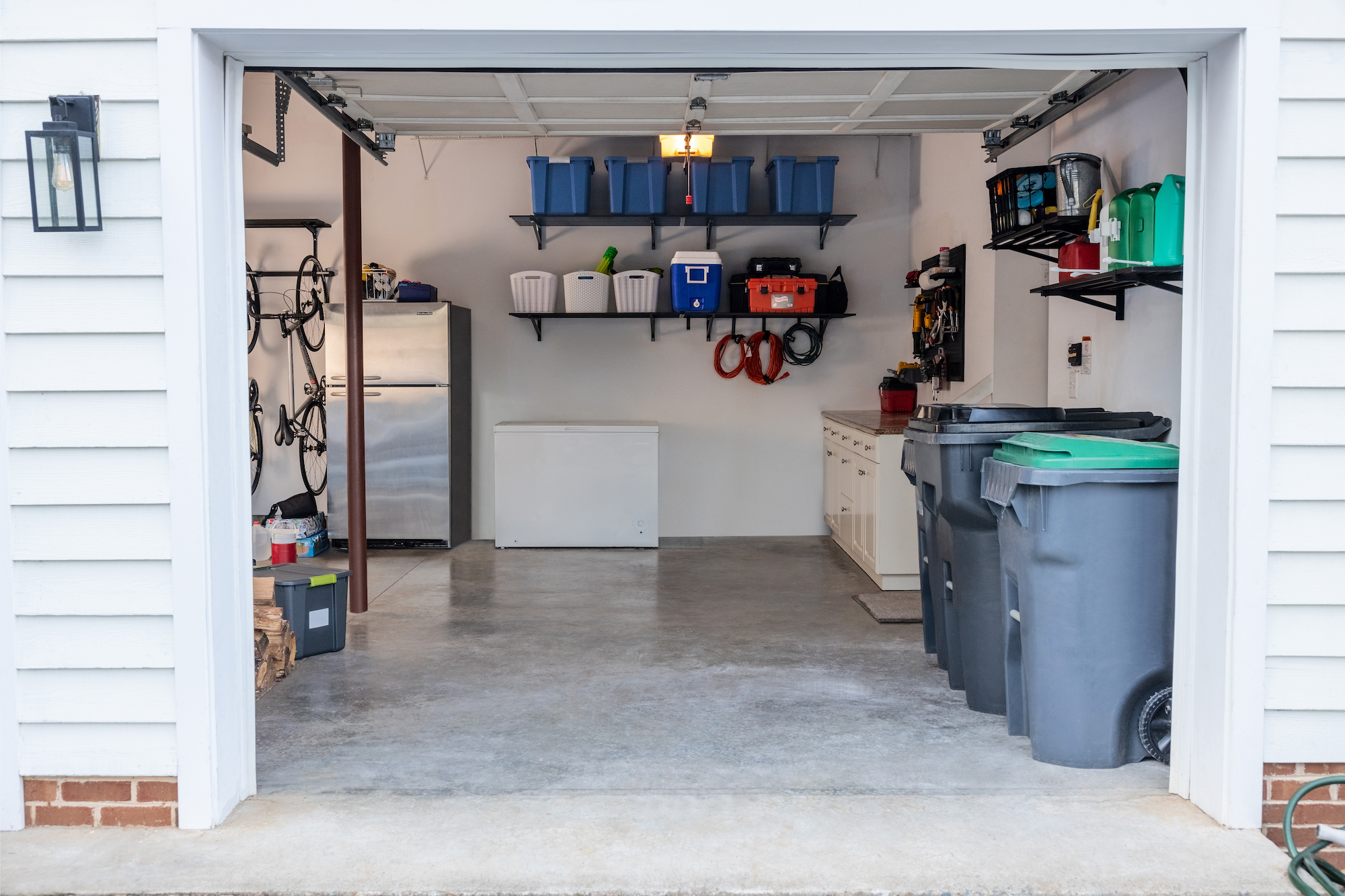
Skis and snowboards take up space, cost lots of money, and are easy to damage when they are stored or transported improperly. Most people focus on gear performance and forget that storage plays a role in how long that gear actually lasts.
Choosing the right rack setup comes down to two related decisions: how you store skis and snowboards at home, and how you transport them to and from the mountain. These needs overlap, but they are not the same. A setup that works well in a garage may not solve the challenges of travel, and vice versa.
The goal is not to find one perfect rack. It is to build a system that protects your gear, fits your space, and works with how you actually ski or ride.
Why a Dedicated Ski and Snowboard Rack Matters
Skis and snowboards are designed to perform under pressure on snow, not to sit stacked on concrete floors or leaned against walls for months at a time. A dedicated rack helps protect gear from scratches, edge damage, and unnecessary wear while keeping equipment separated and supported properly.
Good storage also makes better use of space. Wall-mounted and vertical setups keep floors clear in garages and mudrooms, reduce clutter, and make it easier to access gear when conditions are good. Over the course of a season, that organization saves time and helps gear stay in better shape.
At StoreYourBoard, we design and test ski and snowboard storage systems for real garages, mudrooms, and seasonal gear spaces. This guide reflects what we see most often when people are choosing storage that protects gear, saves space, and stays easy to use throughout the season.
What a Good Ski and Snowboard Rack Should Do
Before looking at specific rack types, it helps to understand what actually matters.
Protects Gear From Damage
Skis and snowboards are most vulnerable when resting against hard surfaces, stacked loosely, or clamped in ways that apply pressure to edges, bindings, or bases. Poor storage leads to scratched bases, rusted edges, and unnecessary wear on binding components.
A good rack supports gear at stable contact points, keeps skis and boards separated so they don't rub together, and uses padded or rubberized surfaces to reduce wear. These details make a difference over time, especially when gear is stored for months between trips.
A good rack should:
-
Support gear at stable contact points
-
Keep skis and boards separated
-
Use padded or rubberized surfaces

Uses Space Efficiently
Most people store gear in garages, basements, mudrooms, or entryways where space is already limited. A rack should help reclaim floor space, not create new obstacles.
Wall-mounted racks move gear off the floor entirely. Vertical layouts maximize capacity in smaller areas, while horizontal layouts work better where wall height is limited. Freestanding racks offer flexibility but require dedicated floor space. Choosing the right orientation matters as much as choosing the rack itself.
At StoreYourBoard, these are the same tradeoffs we see when customers compare wall-mounted, freestanding, and ceiling-based ski and snowboard storage for their homes.

Works With Modern Gear
Ski and snowboard shapes vary more than they used to. Wide powder skis, touring setups, kids' gear, and snowboards all have different dimensions.
You will want racks that accommodate different sizes without issue. Racks should also allow for adjustable spacing as your gear changes throughout your life, as well as an ability to store both skis and snowboards.
Look for racks that:
-
Accommodate different widths and lengths
-
Allow adjustable spacing as gear changes
-
Supports mixed storage
This flexibility is especially important for families or growing gear collections.

Holds Up in Any Condition
Garages are not climate-controlled spaces. Moisture, condensation, and temperature swings are common, especially during winter.
A rack built for garage use typically features powder-coated steel or moisture-resistant materials, hardware designed to resist rust and corrosion, and construction that holds up to repeated freeze and thaw cycles. Cold alone is rarely the issue as moisture exposure over time is what causes problems.
Ease of Use
Complicated systems tend to get ignored. Too many moving parts create more points of failure and accelerate wear on the rack itself. A well-designed rack should protect your gear while making it effortless to load and unload. The best racks make daily use simple, are quick to access, intuitive to operate, and reliable over years of repeated use.
Good racks:
-
Allow quick loading and unloading
-
Work with one hand when needed
-
Do not require precise alignment every time
If a rack slows you down, it will eventually stop getting used.
Common Home Storage Setups
Wall-Mounted Racks
Best for most home garages and mudrooms where floor space is limited. Wall-mounted racks keep skis and snowboards off the ground, reduce clutter, and make gear easy to grab on the way out the door. They work well for households storing multiple pairs and tend to offer the best balance of protection and accessibility.
Freestanding Racks
Freestanding racks don’t require drilling and can be moved as needed, which makes them a good option for renters or shared spaces. The tradeoff is floor space. These racks typically take up more room and may not offer the same level of stability as wall-mounted systems, especially in tighter garages.
Ceiling-Mounted Storage
Ceiling-based systems take advantage of overhead space that often goes unused. They’re ideal for long-term or seasonal storage when wall space is already occupied. While ceiling racks keep gear completely out of the way, they’re less convenient for frequent use and work best when skis and boards don’t need to be accessed daily.
For most households, a wall-mounted rack offers the best balance of protection, capacity, and convenience.
Matching Home Storage to Your Space
Not every garage or entryway is the same, and the right rack depends on how the space is used.
Think about:
-
How many pairs of skis and boards you store
-
Whether your collection is likely to grow
-
How often gear is accessed during the season
-
Whether drilling into walls is an option
Small garages benefit from vertical wall storage. Families with mixed gear often need adjustable systems. Renters may prefer freestanding racks that can move with them.
Transporting Skis and Snowboards
Home storage solves one problem. Getting gear to the mountain safely solves another.
Transport racks matter most for people who drive to ski regularly or travel with multiple passengers and limited interior space.
Roof Racks
Roof racks keep gear outside the vehicle and free up interior space. They work well for longer trips but expose gear to weather and road grime. Access can also be difficult on taller vehicles.
Hitch Racks
Hitch-mounted racks offer easier loading and unloading and keep gear lower and more accessible. They are popular for frequent trips but add length to the vehicle and require a hitch.
Interior Transport
Some people transport skis and boards inside the vehicle for short trips. This protects gear from weather but reduces cargo and passenger space and requires careful securing.
Home Storage vs Transport: What to Prioritize First
For most people, home storage is the better first investment. Gear spends far more time stored than it does in transit, and poor storage causes long-term damage that adds up over seasons.
Transport racks become more important for frequent skiers, families, or long-distance travel. In many cases, the right answer is a combination of both.
Frequently Asked Questions
Q: Can one rack store both skis and snowboards?
A: Yes. Many modern racks are designed to handle both skis and snowboards using adjustable spacing or universal support arms. This allows different widths to sit securely without contact between edges or bindings. Mixed-gear storage is especially useful for families.
Q: Is it bad to store skis or snowboards in a cold garage?
A: Cold temperatures alone are not usually a problem. Moisture and temperature swings are the bigger concern. Drying gear before storage and keeping it off the floor helps prevent rust and corrosion.
Q: How many pairs should I plan space for?
A: It is usually worth planning for more capacity than you currently need. Gear collections tend to grow over time. Choosing a rack with extra space avoids replacing storage later.
Q: Can racks damage camber or rocker profiles?
A: When gear is supported properly, racks do not damage camber or rocker. Problems usually come from leaning skis at sharp angles or clamping them in ways that apply constant pressure. Proper support prevents long-term deformation.
Q: Do I need to wax skis before long-term storage?
A: Applying a storage wax helps protect bases from drying out and oxidation during the off-season. Even with waxing, skis should be stored dry and supported properly.
Final Thoughts
Choosing the right ski and snowboard rack setup is less about finding a single product and more about building a system that fits your space and habits. Home storage usually matters most, but transport solutions play an important role for frequent travel.
Good storage protects expensive gear, keeps spaces organized, and makes the season smoother from the first snowfall to the last spring day. When gear is stored properly, it lasts longer and performs better when it counts.


